
Managing IT can be challenging for small businesses with limited resources. Managed IT services allow you to access expert support and technology solutions without needing an in-house team. By outsourcing these services, you can improve efficiency, enhance security, and focus on growing your business.
In today’s digital landscape, reliable IT support is critical. When you partner with a managed service provider, you gain access to a range of essential services like cybersecurity, network management, and cloud solutions. This support ensures that your technology runs smoothly and securely, allowing you to concentrate on your core operations.
Investing in managed IT services can provide peace of mind. You can rest easy knowing that trained professionals are monitoring and managing your systems around the clock, giving you the freedom to innovate and expand your business.
The Growing Cybersecurity Risks for SMBs in 2025
Before diving into the benefits of managed IT services, it’s essential to understand the stark realities facing small and medium-sized businesses (SMBs) today. Cybersecurity threats are escalating, and SMBs are prime targets due to their often limited defenses. For instance, 43% of cyberattacks specifically target small businesses. Alarmingly, 60% of SMBs that experience a cyberattack go out of business within six months. This statistic underscores the devastating financial and operational impact of breaches, with the average cost of a data breach for an SMB reaching $3 million per incident.
Recent data from 2025 shows a nearly double increase in weekly cyber incidents compared to the previous year, driven by sophisticated threats like ransomware and AI-enhanced attacks. Moreover, 75% of SMBs have experienced at least one cyberattack, and 83% report not being fully prepared to handle them. Common vulnerabilities include unsecured devices—75% of SMB employees leave computers unsecured—and a lack of training, with 50% of SMBs missing employee cybersecurity education. Additionally, 52% feel unequipped to combat emerging threats.
These risks aren’t just hypothetical; they’re a daily reality that can lead to extended downtime (40% of SMBs face 8+ hours of disruption from attacks) and long recovery times (an average of 207 days to identify and contain a breach). In a world where cybercrime costs are projected to hit $10.5 trillion globally by the end of 2025, SMBs can’t afford to ignore these threats. This is where managed IT services shine, offering proactive protection to mitigate these dangers and keep your business resilient.
Understanding Managed IT Services
Managed IT services play a crucial role in supporting small businesses. They provide essential technology solutions, allowing you to focus on your core operations. Let’s explore how these services function and the key benefits they offer.
The Role of Managed IT in Small Businesses
Managed IT services involve outsourcing your IT support to a third-party provider. This approach allows you to access advanced technologies and expert skills without maintaining a full-time in-house team.
Your provider will handle tasks such as network management, data backup, and cybersecurity. This ensures that your systems run smoothly, enhancing productivity and reducing downtime. Additionally, you can expect regular updates, helping you stay current with the latest technologies.
In small businesses, managed IT enables you to compete effectively with larger companies. By utilizing similar technologies, you can respond quickly to market changes and customer needs. Given the rising cyber risks, a strong managed IT partner can also implement defenses against threats like ransomware and supply chain attacks, which are increasingly targeting SMBs in 2025.
Benefits of Outsourcing IT Support
Outsourcing IT support provides several key advantages. First, it often leads to cost savings. You pay a predictable monthly fee instead of large upfront investments.
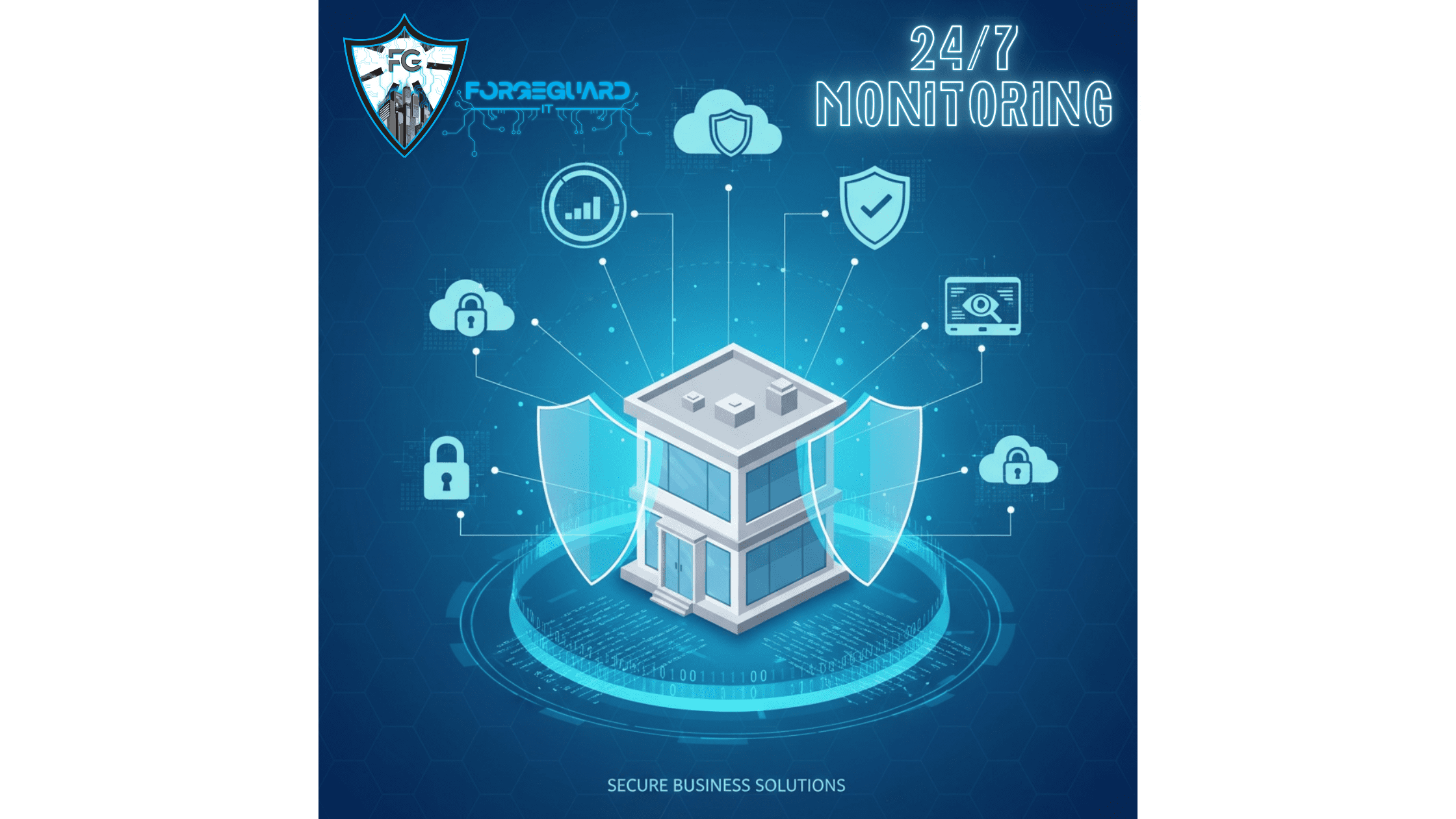
Next, outsourcing improves security. With cyber threats on the rise, your managed service provider (MSP) offers robust protection strategies tailored for your needs. They monitor your systems 24/7 for any vulnerabilities, addressing issues like the 93% of SMB networks that can be penetrated by attackers.
Moreover, using managed IT services frees up your time. You can focus on your main business objectives without worrying about IT issues. This allows you to allocate resources more efficiently.
With the right provider, you gain access to specialized knowledge. Their expertise helps implement best practices, ensuring your technology works for your business, not against it—especially critical when nearly half of small businesses globally have faced a cyberattack.
Key Components of Managed IT Services
Managed IT services play a crucial role in supporting small businesses. They offer specialized expertise to streamline IT functions and enhance security. Each component addresses specific needs to ensure your business runs smoothly.
Network Management and Security
Network management and security are vital aspects of managed IT services. Your network is the backbone of your business operations. An effective managed service provider (MSP) monitors your network constantly.
This includes configuring firewalls, managing routers, and ensuring secure connections. Regular assessments help identify vulnerabilities and threats. Your MSP implements security measures like antivirus software and intrusion detection systems.
They also manage user access to ensure that only authorized personnel can access sensitive data. By keeping your network secure, you minimize the risk of data breaches that can disrupt your operations—breaches that occur every 11 seconds for small businesses.
Data Backup and Recovery Solutions
Data backup and recovery solutions are essential for protecting your business information. Every business relies on data to operate, and losing that data can be catastrophic. Your MSP will implement a backup strategy that includes regular snapshots of your data.
Backups can be done locally or to the cloud, ensuring multiple layers of protection. Quick recovery options are crucial, allowing your business to minimize downtime.
In case of a data loss event, having a tested recovery plan means you can restore data quickly. Regular testing of these backup systems ensures they work when needed most, providing peace of mind amid rising attack frequencies.
Cloud Services and Infrastructure
Cloud services and infrastructure offer a flexible way to manage your IT resources. These services allow you to store, manage, and process data over the internet instead of on local servers. This can lead to cost savings and scalability for your business.
Your MSP can help you migrate to various cloud models, including public, private, or hybrid clouds. They assist in selecting the best option based on your business needs. Cloud services also include solutions for virtual desktops, which enable remote access to your company’s resources.
This flexibility can enhance productivity, letting your team work from anywhere. By leveraging cloud services, you can stay competitive in a rapidly evolving market, even as AI-driven threats become more prevalent.
Choosing the Right Managed IT Service Provider
Selecting the right managed IT service provider (MSP) is vital for your small business. You need to ensure they align with your specific needs and have the expertise to support your operations effectively. Focus on understanding your business IT requirements and evaluating potential providers thoroughly.
Assessing Your Business IT Needs
Start by identifying the IT services you require. Consider areas like cybersecurity, network management, cloud services, and hardware support. Make a list of your priorities, as this will guide your search for an MSP.
Think about your current challenges. Are you facing slow systems, frequent downtime, or security risks? Understanding these issues can help in finding a provider that offers relevant solutions.
You might also want to consider scalability. Your business needs can change as you grow. A good MSP should offer solutions that can be adjusted to meet your evolving requirements, including compliance needs like SOC 2 for handling sensitive data.
Evaluating Provider Expertise and Reputation
When looking for an MSP, check their experience with small businesses. Some providers work primarily with larger corporations and may not address your unique needs. Look for an MSP that understands the challenges you face, such as those offering AI-driven tools for efficient support.
Research provider reviews and ask for references. Feedback from other businesses can give you insight into a provider’s reliability and service quality. Pay attention to how they handle issues and communicate with clients.
Another key point is certifications. Look for providers with certifications from major technology companies. This indicates their expertise in specific areas, such as security or cloud services.
Understanding Service Level Agreements
A Service Level Agreement (SLA) outlines the expectations between you and your managed service provider. Ensure you fully understand the terms, including response times, service availability, and support options.
Look for clarity in what is covered and any additional charges that may apply. The SLA should specify if it includes 24/7 support or if there are limitations.
Review penalties for not meeting service levels. This helps ensure accountability on the provider’s part. A solid SLA protects your interests and helps build a trustworthy partnership with your MSP.
In conclusion, with cybersecurity risks at an all-time high in 2025, partnering with a managed IT service provider isn’t just an option—it’s a necessity for SMB survival and growth. By addressing these vulnerabilities head-on, you can enhance efficiency, bolster security, and position your business for long-term success.